
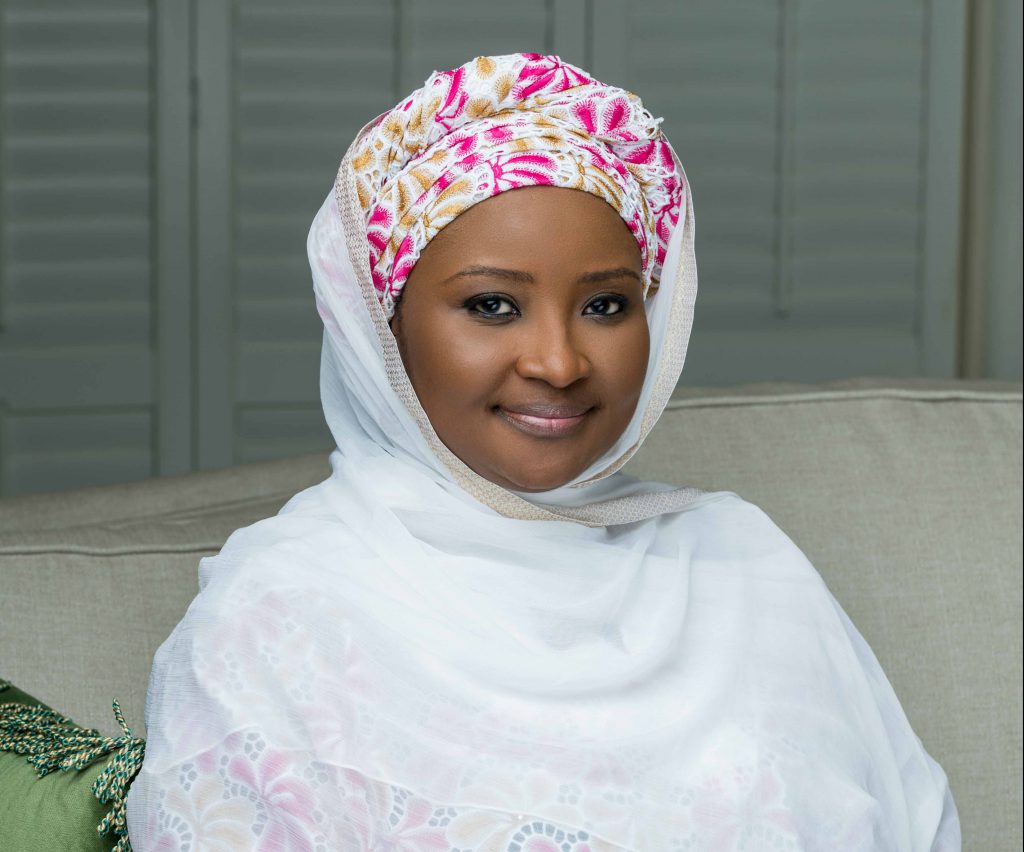
By Dr Zainab Shinkafi-Bagudu, MBBS, MRCPCH
Paediatric Consultant, Garki Hospital Abuja
Living with a child with Cerebral Palsy- The Social aspect and responsibility
This is quite a topic. Very emotional and heart wrenching. It’s tough on the child,
parents, carers and health providers. As distressing as the condition is, children with CP
can be very lovely, cheerful and exude so much joy.
The technical definition of cerebral palsy is an irreversible, non progressive disorder of
posture or movement usually caused by an insult to the developing brain sustained in the
uterus or around the time of birth. What this basically means is that muscle function is
disrupted. The insult could be bad jaundice, infection (anything…bacteria, viral,) or it
could be caused by a bleed in the head of a baby (especially low birth weight or
premature ones). Either of the limbs could be affected resulting in hemiplegia (one sided,
up and down) diplegia (two upper or two lower limbs) or quadriplegia (all four limbs).
Another less common type of CP is athethoid CP which results from damage to a part of
the lower brain and manifests as wriggly movements of muscle groups.
Along with the basic problem comes complications such as stiff contractions of various
muscles, speech defect, intellectual deficits, constant drooling of saliva which leads to
dental carries, respiratory and urinary infections, seizures; an endless list. A lot of current
research in finding solutions is focusing on using embryonic stem cells to regenerate
nerve cells. Another area where a lot of work has been done is geared to resolving the
accompanying muscle spasms. The use of botox injections directly into the muscle is one
of such innovations.
Ideally, caring for children with CP and controlling complications involves a multi
disciplinary team consisting of a doctor, orthopaedic surgeon, speech therapist,
ophthalmologist, physiotherapist, occupational therapist, dentist, nurse, special needs
teacher etc. In addition, structural adjustments might be necessary in the home to
facilitate moving around. In the richer countries, some homes are piped to provide a
central supply of oxygen for children with accompanying chronic lung disease. It can all
be quite expensive. Conversely, in most developing countries there is no efficient system
in place for offering financial support or any form of disability living allowance. Affected
families have to contend alone with the emotional stress as well as the added financial
burden with minimal state support. This remains so despite the fact that respite in the
form of breaks for the primary carers has long been recognised to improve the overall
quality of life of the child being looked after.
Luckily in most developing countries, although formal government financial back up
does not often exist or is not able to service the need, we can boast of an excellent ‘social
support network’. There are always near and distant relatives living in the house that will
help out. So that a not so well to do family with a child with special needs will get some
respite daily. Some experts feel this ever present support might have a detrimental effect
on the child developing social skills and thus ability to live a relatively independent
lifestyle. The logic is that if at all times there is a person at the child’s beck and call ready
to carry out chores like bathing, dressing and feeding; he or she is unlikely to learn to do
those things for themselves as quickly or as easily as the child living with one primary
care.
Another problem facing us here the limited availability and access to specialised care. In
Nigeria, only two universities offer physiotherapy as a degree. Most of the
physiotherapists we have around today pick up the skills as an apprenticeship. This is not
to say that is a bad way of learning. We just need more to cater for our population.
Worsening this paucity of skilled care is an abundance of trado-psychic healers, claiming
to have the answers. Bone healers, spiritual healers and exorcists, abound in our society.
All you have to do is open a soft cell magazine to appreciate choice.
Prior to the 1970 education act in the U.K., not all children were deemed educable. Since
then, it has been considered the right of every child to attend school, regardless of his or
her disability. The system now recognises special educational needs as and provides the
opportunity to integrate them into mainstream schools. Even in a resource rich country,
this system evolved over time and only quite recently.
It is not just the government that should provide the means and facilities to support such
disabilities. Cooperate bodies need to wake up to their individual and collective social
responsibilities. Why do they build round a bouts (Nigeria is the only country I know
where this is a major constructed edifice) that end up obstructing rather than easing traffic
flow? Our banks and myriad of oil companies can be more active in easing access to
qualitative health care. Build a children’s unit in the local hospital, sponsor training,
provide drugs, furnish schools; there is so much to do. GT Bank commendably funds the
Massey street children’s hospital in Lagos.
At the end of the day, with or without all the medical innovations, the path followed will
mostly depend on what makes the child and parents feel more fulfilled. Is it the ability to
tie laces on non existent or hand me down shoes? Or a smiling happy child surrounded
with love?
Having a dependant with any permanent medical condition is tough. Imagine that
dependant being an innocent young child. Imagine living with that child in a country with
limited resources. That scene is a reality for the thousands living with disabilities in
Nigeria today. Most of what happens and the course their life will take is neither
predictable nor comfortable. Even with the best CT and MRI scans.
23/04/2008
At the time this article was contributed,
Dr Zainab Shinkafi-Bagudu, was a Paediatric Consultant at Garki Hospital Abuja.
She is the amiable wife of the former Kebbi state Governor and founder of the MedicAid
Cancer Foundation; she advocates for cancer awareness by providing training for
healthcare workers, and supports the screening, diagnosis and treatment of cancer